STEP meeting
This special joint meeting with Medford and East Cambridge representatives included discussions about the Green Line extensions and next steps. Meetings notes (PDF)

This special joint meeting with Medford and East Cambridge representatives included discussions about the Green Line extensions and next steps. Meetings notes (PDF)
This task force, associated with The Center for Urban and Regional Policy at Northeastern University, made a variety of recommendations on transit-supportive growth, the financial stability of the MBTA, and strategic investment and expansion. PowerPoint presentation (1.1 MB PPT) Full report (1.4 MB PDF)
The connection between ultrafine particles (less than 100 billionths of a meter in diameter) and health problems is growing stronger, as shown by various studies and expert speakers at this conference. A study by Rob McConnell of USC showed a 50% increase in asthma for children living within 75 meters of a highway as compared to those living more than 300…
Obviously there is large concern regarding the impacts of the planned MBTA fare increases. Consumers who may be understandably upset about the hikes need to take into account that the MBTA is severely constrained fiscally by its huge capital debts and sizable operating deficits. Therefore, concerns should probably be raised with your state representatives first and the MBTA second.
While it is true that public transit does not break even (with the exception of some urban bus routes), and that commuter rail especially represents a handful of subsidy dollars per trip, it is also true that no form of surface transportation in Massachusetts comes close to the subsidy levels supplied to those who drive over Boston’s newly reconstructed Big Dig roadways.
With an annualized cost per year of about $1.5 billion ($15 plus billion/10) and with roughly 75 million vehicle trips per year, the Big Dig is providing $15 to $20 of subsidy per vehicle trip. Those who use Boston’s Big Dig pay only a tiny fraction of the project costs with their gas taxes. It is a shame that the MBTA fare hikes will not be accompanied by new road financing mechanisms.
Starting in January, subway and trolley fares would increase from $1.25 to $1.70, and bus fares would go from 90 cents to $1.25. Riders who don't use new automated fare CharlieCards would pay even higher fares. The good news is that there will finally be free transfers systemwide. Boston Globe: "MBTA seeks sharp fare hikes" Boston Herald: "T takes 'em for…
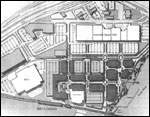
A potential land swap at Assembly Square between Ikea and Federal Realty has many repercussions, including a shift of where a future Orange Line stop might be located. There could also be a new supermarket next to the T stop, as the map shows.
Topics included upcoming events, ArtBeat, and the bus survey. Meetings notes (PDF)
"Transportation report delayed till after Nov. election" The Transportation Finance Commission won't release its much-anticipated blueprint for transportation in Massachusetts until the end of the year. The commission will likely conclude that the State cannot continue to adequately pay for its highways, mass transit systems, bridges, and other transportation infrastructure without a significant infusion of new money.
Topics included the election of officers, a bus service survey, and a Green Line extension update. Meetings notes (PDF)
Topics included Green Line financing, possible involvement in a variety of other groups and projects, and STEP strategic planning. Meetings notes (PDF)